If you want to support your metabolism after 40, the most effective approach is simple and empowering: focus on building and preserving lean muscle. This isn't about extreme diets or endless cardio. It's about combining strategic protein intake to fuel muscle health with consistent strength training to encourage growth—a powerful combination that directly supports your body's resting calorie burn.
The Truth About Your Metabolism After 40
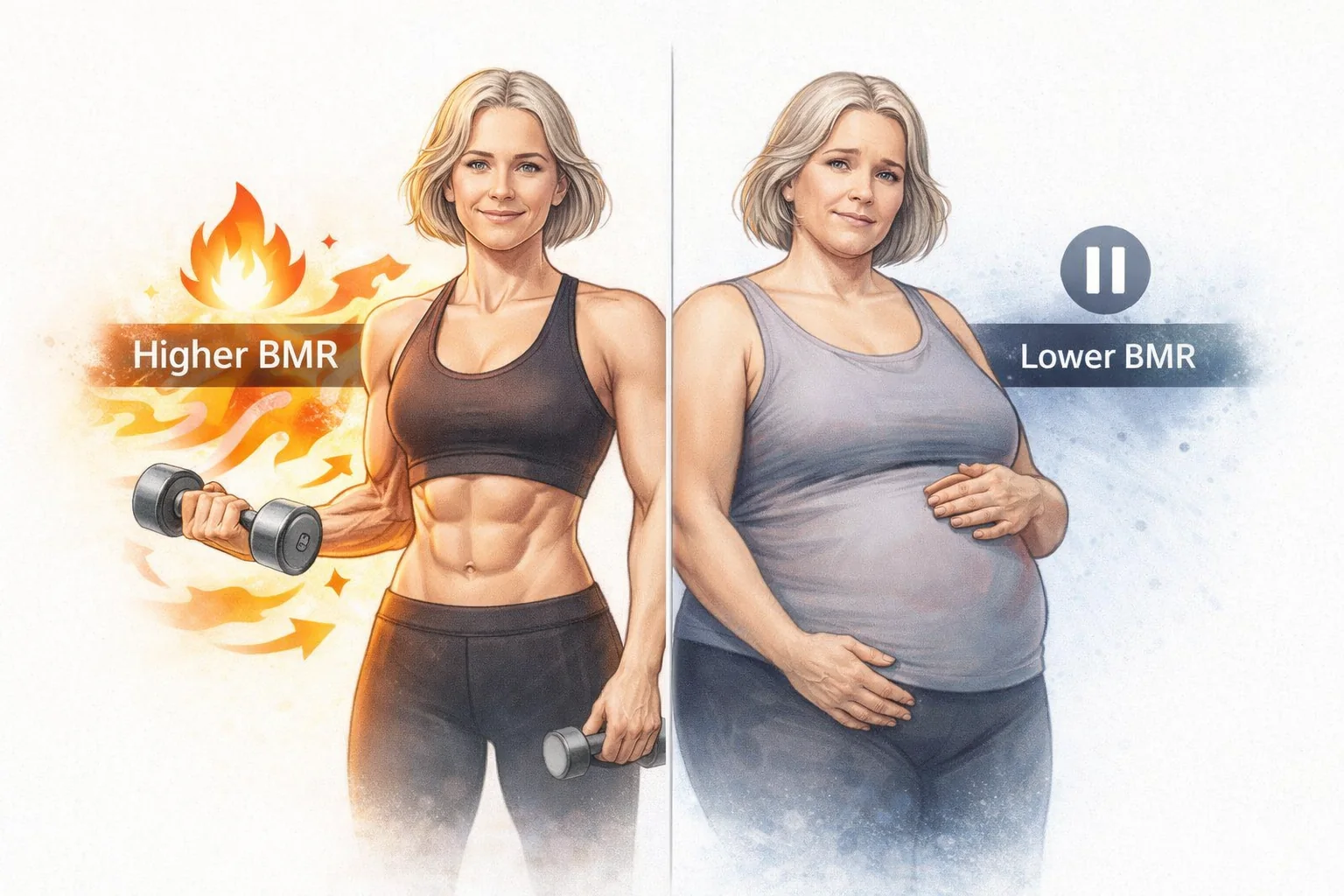
For many women, turning 40 feels like bracing for a metabolic slowdown. It's a common narrative, but research shows it isn't the whole picture. That feeling of a sluggish metabolism is often less about your age and more about quiet, gradual shifts in your body composition.
The real driver behind this change is often the slow, unnoticed loss of muscle mass—a natural process called sarcopenia that can begin as early as our 30s. This matters because muscle is your body's most metabolically active tissue. It burns more calories than fat, even when you’re at rest.
And this matters far beyond the number on the scale. The biggest health threats women face — heart disease, cancer, and stroke — are all closely tied to your metabolic health: basically, how well your body handles blood sugar and energy. Muscle is central to this. It's where your body burns off sugar and keeps everything steady. That's why OB/GYN Dr. Jaime Seeman, in her 2025 TED talk "The Wonder of Weightlifting," calls building muscle one of the best things a woman can do for her long-term health. It's not about looking toned — it's about staying strong and healthy for years to come.
Understanding Your Metabolic Engine
Think of your Basal Metabolic Rate (BMR) as your body's baseline energy needs. These are the calories your body burns just to keep essential systems running—powering your heart, lungs, and brain, even while you relax. This baseline accounts for most of your daily energy use.
Here’s why muscle is so crucial for your BMR:
More Muscle, Higher BMR: The more muscle you have, the more energy your body needs to maintain it, resulting in a higher resting metabolism.
Less Muscle, Lower BMR: As muscle mass declines, your BMR can drift downward. Your body requires fewer calories to operate, which can lead to weight gain even if your eating habits haven't changed.
The great news is that you have a significant amount of influence over this process. By understanding the factors at play, you can take gentle, effective steps to support your metabolic health for the long term.
Key Factors Influencing Metabolism After 40
| Metabolic Influencer | What Happens for Many Women After 40 | Your Strategic Focus |
|---|---|---|
| Muscle Mass | Gradual decline (sarcopenia) begins, reducing BMR. | Prioritize resistance training (2–3x/week). |
| Hormonal Shifts | Estrogen changes influence muscle and fat storage. | Focus on high-quality protein each meal. |
| Protein Synthesis | Muscles respond less to protein (anabolic resistance). | Aim for 30–40g protein per meal. |
| Physical Activity | More sedentary lifestyle lowers energy expenditure. | Increase NEAT through gentle movement. |
By understanding these connections, you can see that the solution isn't about "fixing" a broken metabolism—it's about nurturing the systems that keep it running strong.
Shifting Your Focus from Age to Action
Contrary to popular belief, your metabolism doesn't fall off a cliff on your 40th birthday. In fact, a landmark study published in Science revealed that our metabolism stays remarkably stable from our 20s all the way to age 60. The perceived slowdown is almost always linked to that gradual loss of muscle.
This doesn’t mean you need extremes. It’s about making smart, consistent shifts. For many women, this means paying closer attention to protein, since our bodies become less efficient at using it with age—a concept known as anabolic resistance.
By nourishing your muscle health with smart nutrition and effective movement, you are taking the single most powerful step toward supporting your metabolism for decades to come.
Why Protein Is Your Metabolic Superpower
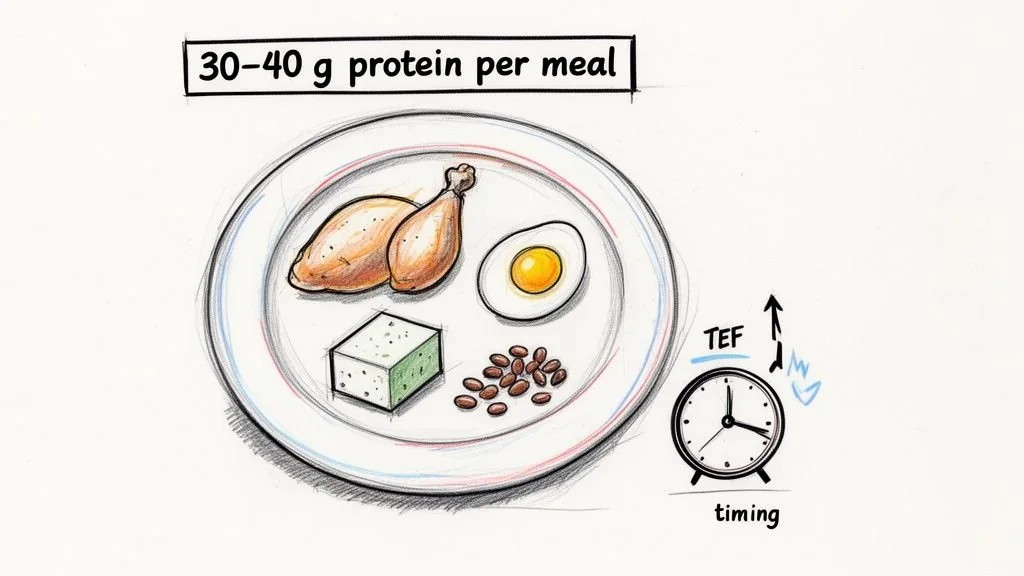
If strength training builds your metabolic engine, protein is the premium fuel that makes it run. For women over 40, getting enough protein is not about dieting; it’s about providing your body with the essential building blocks for strong, metabolically active muscle.
As we move through life, our bodies change how they respond to nutrients. One of the most important shifts for muscle health is anabolic resistance. This simply means our muscles become a bit less sensitive to the signals from the protein we eat. A meal that easily triggered muscle repair in your 20s might not be enough to get the job done now.
This doesn't mean something is wrong. It just means your body needs a clearer signal.
The Power of the Protein Threshold
So, how do you send that clearer signal? Research shows that hitting a certain "protein threshold" at each meal is key. This amount is enough to kickstart muscle protein synthesis (MPS)—the process of repairing and building muscle tissue.
For many women over 40, that target is around 30-40 grams of high-quality protein per meal. Hitting this amount consistently is like flipping a switch that tells your muscles it's time to rebuild.
Think of it this way: A small sprinkle of protein is like a whisper your muscles might not hear. A 30-gram serving is a clear, direct message to start the repair process.
This is why how you distribute your protein throughout the day is just as important as the total amount. Spreading your intake evenly across your main meals is far more effective for muscle health than skimping at breakfast and lunch and having a large protein-heavy dinner. You can learn more in our guide on protein requirements for women over 40.
The Fasting Myth: Why Timing Beats Skipping
Many women over 40 turn to intermittent fasting (IF) to "jumpstart" a sluggish metabolism. However, this approach often overlooks a critical biological shift: anabolic resistance. As we age, our muscles become less sensitive to the signals from the protein we eat. To overcome this, your body needs a "clear signal" of 30–40g of protein per meal to trigger muscle protein synthesis—the process of repairing and building muscle tissue.
When you follow long fasting windows, it becomes physically difficult to hit this high protein threshold enough times throughout the day to protect your muscle mass. If you only eat one or two meals, you may reach your "daily total" of protein, but you miss the frequent triggers your muscles need to stay metabolically active. For women over 40, consistency in protein distribution is a much more powerful metabolic signal than the "starve-then-eat" cycle of fasting
The Hidden Metabolic Boost from Protein
Beyond its role in building muscle, protein has another benefit: the Thermic Effect of Food (TEF). This is the energy your body uses to digest and process what you eat.
Protein has the highest TEF of all macronutrients.
Your body uses 20-30% of protein's calories for digestion.
For carbs, it's 5-10%.
For fats, it's only 0-3%.
Every time you eat a protein-rich meal, you give your metabolism a small, temporary boost. While this alone won't transform your body, it's another piece of the metabolic puzzle that supports your overall efforts.
Clear, Actionable Steps You Can Take Today
You don’t need a complete life overhaul. Small, consistent shifts are what create lasting change.
Rethink your breakfast: If you typically have toast, try adding two or three eggs, a scoop of protein powder in oatmeal, or a serving of Greek yogurt.
Power up your lunch: Ensure your salad includes a palm-sized portion of chicken, a can of tuna, or a generous serving of chickpeas and lentils.
Anchor your dinner: Build your evening meal around a quality protein source first, then add colorful vegetables and fiber-rich carbohydrates.
Remember, this is about nourishment, not perfection. Focusing on getting adequate protein at each meal is one of the most effective steps you can take for your metabolic health.
Building Your Metabolic Engine with Strength Training
If protein is the fuel, strength training is the spark that ignites your metabolic engine. It is the most powerful tool for actively supporting your Basal Metabolic Rate (BMR) for the long term.
This doesn't mean you need to adopt an intimidating gym routine. It's simply about using resistance to build and maintain the metabolically active muscle that keeps your body strong and vital. For many women after 40, the idea of lifting weights can feel overwhelming. The good news is that you don't need complex routines to see incredible benefits.
The goal is to challenge your muscles enough to signal that they need to grow stronger. That process is what helps rewrite your metabolic story.
Why Strength Training Matters More Than Ever
For women over 40, strength training becomes essential for overall wellness. Its benefits create a positive ripple effect throughout your entire body.
Improved Insulin Sensitivity: Stronger muscles are better at taking up glucose from your bloodstream, which helps regulate blood sugar.
Enhanced Bone Density: The load from resistance training signals your bones to become stronger and denser, which is a key defense against osteoporosis.
Better Hormonal Balance: Regular strength training can help manage cortisol (the stress hormone) and support overall hormonal well-being through perimenopause and beyond.
These benefits make strength training a cornerstone of healthy aging and a direct investment in your future strength and mobility. To learn more, explore our other resources on muscle health.
“ Think of strength training not as a chore, but as an act of self-care. It’s how you build a resilient, energetic body that can carry you through life with confidence. ”
A Simple and Sustainable Weekly Structure
Consistency is more important than intensity. You do not need to spend hours in the gym. Research consistently shows that just two or three full-body sessions per week are highly effective for building and maintaining muscle.
A focused 30- to 45-minute session is enough to spark real change. The goal is to find a routine that fits into your life, not one that takes it over.
Your Starting Point: Foundational Movements
The most efficient way to build strength is to focus on compound movements—exercises that work multiple muscle groups at once. They give you the most benefit for your time and mimic real-world movements like lifting groceries or getting up from a chair.
Here are a few foundational exercises to start with:
Squats (or Chair Squats): This move strengthens your legs, glutes, and core. You can start by simply sitting down and standing up from a sturdy chair without using your hands.
Rows (with bands or dumbbells): Great for posture, rows strengthen your entire back and arms. You can do these with a resistance band looped around a doorknob or with light dumbbells.
Modified Push-ups (on knees or against a wall): An excellent upper-body exercise for your chest, shoulders, and triceps. Starting against a wall is a safe way to build initial strength.
Beginning with these core movements helps you build a strong foundation safely. Remember, the goal is progress, not perfection. Start where you are, use a weight that feels challenging but manageable, and focus on good form.
Your High-Protein Meal and Snack Blueprint
Knowing you need more protein is one thing; turning that knowledge into simple, satisfying meals is another. This is where we bridge the gap between science and your kitchen.
The goal isn’t a rigid diet. It’s a flexible blueprint for meals that consistently hit that powerful 30-40 gram protein target—the amount shown to signal muscle repair and keep you feeling full. Let’s make high-protein eating feel effortless and delicious.
The Power Bowl Method
One of the easiest ways to build a protein-packed meal is the “Power Bowl.” It’s a customizable framework that helps ensure a balanced, muscle-supporting meal every time.
Here's the simple formula:
Start with a Protein Anchor: Aim for a generous portion that provides around 30 grams of protein.
Add Fiber-Rich Carbs: Quinoa, brown rice, or sweet potatoes provide sustained energy.
Load Up on Non-Starchy Veggies: Fill at least half your bowl with spinach, bell peppers, broccoli, or mushrooms for color and nutrients.
Drizzle with Healthy Fats: A few slices of avocado, a sprinkle of seeds, or a tahini-based dressing adds flavor and promotes satiety.
This method removes the guesswork from lunch and dinner, ensuring your meal supports your metabolic health.
Meal Ideas for Omnivores
When you eat animal products, hitting protein targets can be straightforward. The key is focusing on portion sizes and variety.
Here’s what approximately 30-40 grams of protein looks like:
Breakfast Scramble: 3 eggs scrambled with spinach, served with 1/2 cup of cottage cheese. This combination provides a strong protein start to your day, helping manage cravings.
Lunch Power Bowl: A large bed of mixed greens topped with 4-5 ounces of grilled chicken breast, 1/2 cup of quinoa, and roasted vegetables.
Simple Salmon Dinner: A 5-ounce salmon fillet (about the size of your smartphone) served with steamed asparagus and a small roasted sweet potato.
Smart Strategies for Plant-Based Eaters
For women following a plant-based diet, reaching the 30-40 gram threshold per meal requires a bit more planning but is entirely achievable. The key is to combine different protein sources to ensure you get all the essential amino acids your muscles need.
Here are a few robust plant-based meal ideas:
Tofu Scramble Breakfast: A scramble made with one block (about 7 oz) of firm tofu, nutritional yeast, and spices, served with high-protein toast.
Lentil & Quinoa Power Bowl: Combine 1 cup of cooked lentils with 1 cup of cooked quinoa, then top with 1/4 cup of pumpkin seeds for an extra protein and healthy fat boost.
Tempeh Stir-fry Dinner: A vibrant stir-fry using 1 cup of tempeh, broccoli, and snap peas with a savory peanut sauce over brown rice.
To make this clearer, here's a quick comparison of what it takes to get to 30 grams of protein.
Sample 30g Protein Servings Omnivore vs Plant-Based
| Protein Source Type | Omnivore Example | Plant-Based Example |
|---|---|---|
| Dairy / Dairy Alt | ~1 1/3 cups (300g) Greek yogurt | ~1 1/4 cups (315g) soy yogurt + 2 Tbsp hemp seeds |
| Poultry / Tofu | ~4 oz (115g) chicken breast | ~9 oz (255g) extra-firm tofu |
| Legumes | Not applicable | ~1 1/2 cups (300g) lentils + 1/2 cup quinoa |
| Red Meat / Tempeh | ~4.5 oz (130g) lean ground beef | ~5 oz (140g) tempeh + 1/4 cup peanuts |
As you can see, hitting the target with plant-based foods often means combining sources or using slightly larger portions.
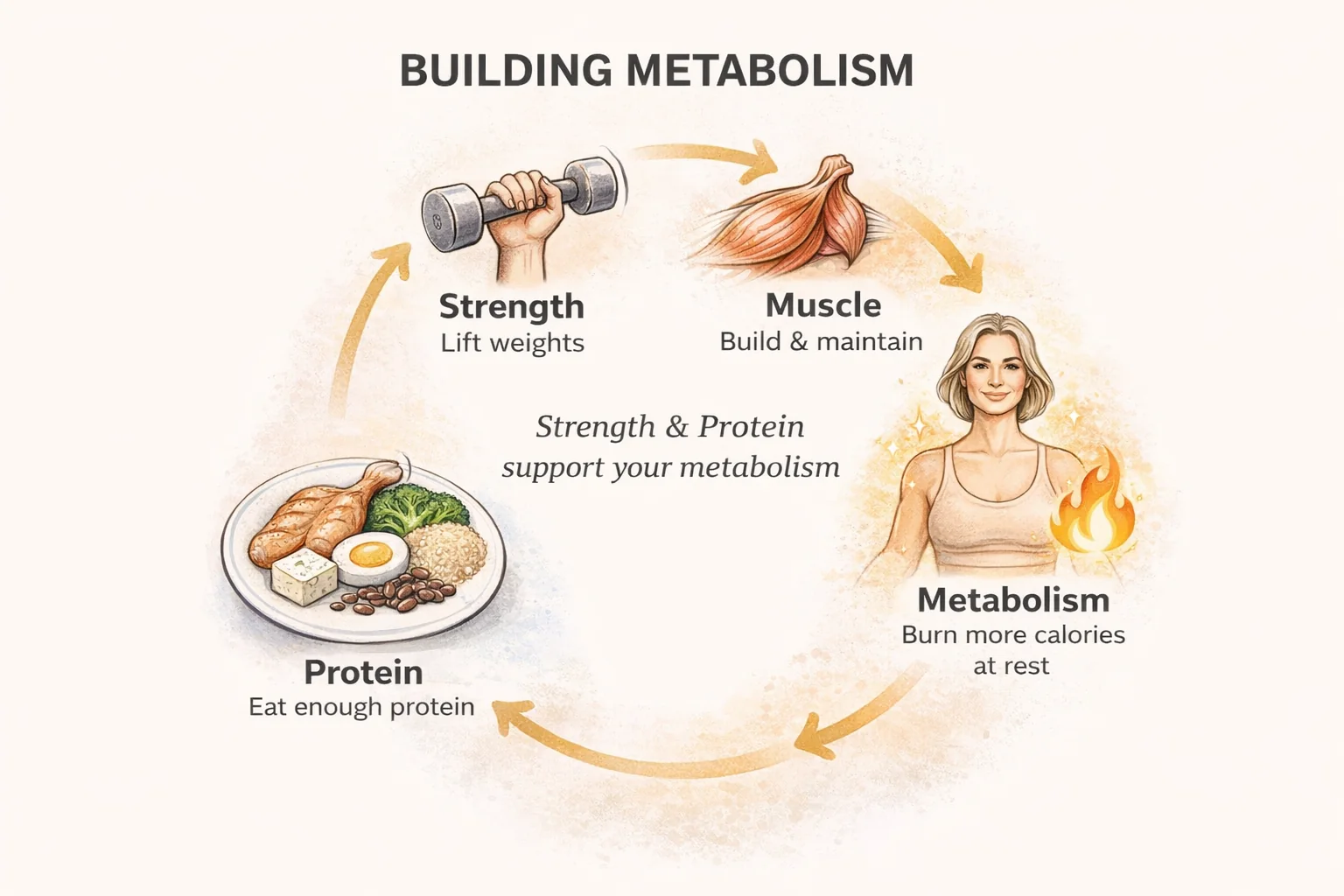
This visual highlights the powerful synergy: you use strength training to stimulate muscle, you feed that muscle with enough protein, and your resting metabolism (BMR) is supported as a direct result.
High-Protein Snacks to Bridge the Gaps
Snacks are a great opportunity to add an extra protein boost. A good rule of thumb is to choose snacks with at least 10-15 grams of protein to keep you full and contribute to your daily total.
A few simple ideas:
A single-serving container of Greek yogurt (15-17g)
A handful of almonds and a cheese stick (~14g)
1/2 cup of shelled edamame (~11g)
A quality protein shake made with one scoop of powder (20-25g)
Not sure how much protein you’re currently getting? A protein intake calculator can give you a personalized starting point without the stress of counting every gram.
Lifestyle Habits That Support Your Metabolism
While protein and strength training are the cornerstones of a strong metabolism, they don't work in a vacuum. Your daily habits—how you sleep, manage stress, and move your body—are the critical supporting cast.
These lifestyle factors can either enhance your efforts or quietly undermine them. For many women, the years after 40 bring new challenges like shifting hormones and less predictable sleep, making these "softer" aspects of health more crucial than ever.
The Critical Role of Sleep in Metabolic Health
Quality sleep is a non-negotiable for metabolic function. When you're consistently sleep-deprived, it can disrupt hormones that regulate hunger and fullness.
Ghrelin (your "go eat" signal) can increase.
Leptin (your "I'm full" signal) can decrease.
This combination can lead to increased hunger and cravings. Furthermore, lack of sleep can raise levels of the stress hormone, cortisol. Chronically high cortisol can encourage your body to store fat and may contribute to insulin resistance over time. Prioritizing sleep is a direct investment in your metabolic health.
Taming Stress for a Calmer Metabolism
Chronic stress keeps your body in a state of "fight or flight," which is another recipe for persistently high cortisol. This has real, physical consequences for your metabolism. When your body thinks it's under constant threat, it can hold onto energy reserves (body fat) and may even break down muscle tissue for fuel—the exact opposite of your goal.
Managing stress isn't about eliminating it, which is often impossible. It’s about building small, consistent moments of calm into your day to lower the overall intensity.
Here are a few gentle practices:
Five-Minute Mindful Break: Sit quietly and focus on your breath for five minutes.
A Short Walk Outside: Spending a few minutes in nature can significantly lower cortisol.
"Breathe and Unclench": A few times a day, consciously relax your jaw, drop your shoulders, and take three slow, deep breaths.
For more simple ideas, check out our collection ofhealth and wellness tips.
Unlock the Power of NEAT
Have you ever wondered about NEAT? It stands for Non-Exercise Activity Thermogenesis, and it’s the energy you burn from all the movement that isn't formal exercise.
This includes fidgeting, walking to the mailbox, taking the stairs, and doing housework. These small movements add up to a surprisingly significant amount of energy burned throughout the day. For women over 40, increasing NEAT is a gentle yet effective way to support your metabolism without adding more gym time.
Recent research highlights that our bodies undergo massive biomolecular shifts starting in our mid-40s that affect muscle maintenance and cardiovascular health. For example, a study from Stanford Medicine noted this period as a critical time of change. You canread the full Stanford Medicine findingsto understand more. This makes every bit of movement count.
Simple ways to boost your daily NEAT:
Pace while you talk: Take phone calls while walking around the house.
Set a movement reminder: Use your phone to nudge you to stand up and stretch every hour.
Park further away: Intentionally add a few extra steps to every errand.
Embrace "inefficiency": Make two trips to bring in the groceries instead of one.
By layering in these lifestyle habits, you create an environment where your nutrition and fitness efforts can truly shine.
A Few Common Questions About Metabolism After 40
It's completely normal to have questions as you learn more about how your body works. Let's tackle some common concerns so you can feel clear and confident in your approach.
Do I Really Need to Eat Protein Right After My Workout?
Myth: You must have a protein shake within 30 minutes of a workout.
The idea of a short "anabolic window" is less important than once believed. For women over 40, a much more effective strategy is to focus on your total daily protein intake and spreading it evenly across your meals.
The meal you have after your workout is important, but it’s just one of several opportunities during the day to give your muscles what they need. Prioritizing a 30-40 gram protein serving at each main meal is what builds long-term strength. Day-long consistency is more impactful than a narrow, post-workout window.
Can I Boost My Metabolism with Supplements or Certain Foods?
It would be wonderful if a single food or pill could significantly raise our metabolism, but the science doesn't support this. You may have heard that green tea or spicy foods can provide a small nudge, but research shows this effect is minimal and temporary. It's not a sustainable way to support long-term metabolic health.
“ The only proven, lasting way to support your metabolism after 40 is by building and maintaining metabolically active muscle. Strength training and adequate protein are what build a more efficient metabolic engine.”
Focus your energy on the foundational habits that create real, lasting change.
Will Eating More Protein Make Me Bulky?
This is a common and understandable concern. The simple answer is no; eating more protein will not automatically make you bulky. Building significant muscle mass is very difficult and requires highly specific training and a large calorie surplus—a world away from what we're discussing for health and longevity.
For women over 40, increasing protein intake helps:
Preserve and repair lean muscle.
Support bone density, which is critical at this life stage.
Aid in workout recovery so you feel stronger.
The result isn't bulk. It's a stronger, leaner, and more resilient body.
What if I Can’t Eat 30 Grams of Protein for Breakfast?
That is perfectly okay. The goal is progress, not perfection. If your current breakfast is toast and coffee (maybe 5 grams of protein), jumping to 30 grams can feel daunting.
Instead, just focus on one small step forward. Aim for 15-20 grams to start. That’s a fantastic improvement.
Add two or three eggs to your morning.
Stir a scoop of protein powder into oatmeal.
Switch to plain Greek yogurt.
Making your breakfast more protein-focused than before is a huge win. Gentle, consistent steps are what lead to change that sticks.
This article is for education only and is not medical advice. Just Protein is not a medical provider — we summarize published research and cite our sources so you can verify them; decisions about your health, hormones, or mood belong with your doctor.