
8 Easy High-Protein Snacks for Women Over 40
Eight high-protein snack ideas for women over 40, with 18–25g of protein per portion, easy prep, and a few Korean favorites.
By midafternoon, dinner can feel a long way off. A satisfying snack can be as simple as something you enjoy, a useful amount of protein, and enough food to carry you to your next meal.
Good high-protein snacks for women over 40 include Greek yogurt with hemp hearts, edamame, cottage cheese on crispbread, and eggs with string cheese. The eight portions below provide approximately 18–25 grams of protein. For a snack around 20g, try the turkey and Swiss roll-ups (about 20g), cottage cheese crispbread (about 23g), or yogurt bowl (about 25g). Choose the portion that suits your appetite and day.
A snack with 15–25 grams can help fill a gap in your daily intake. That is a practical planning range, not a requirement that begins on your 40th birthday. You do not have to snack if your meals already meet your needs.
Which high-protein snack fits your day?
Start with the food you actually want to eat. The table gives the full portion used for each estimate; toppings and brands can change the total.
| Snack | Protein | One serving | Prep & practical fit |
|---|---|---|---|
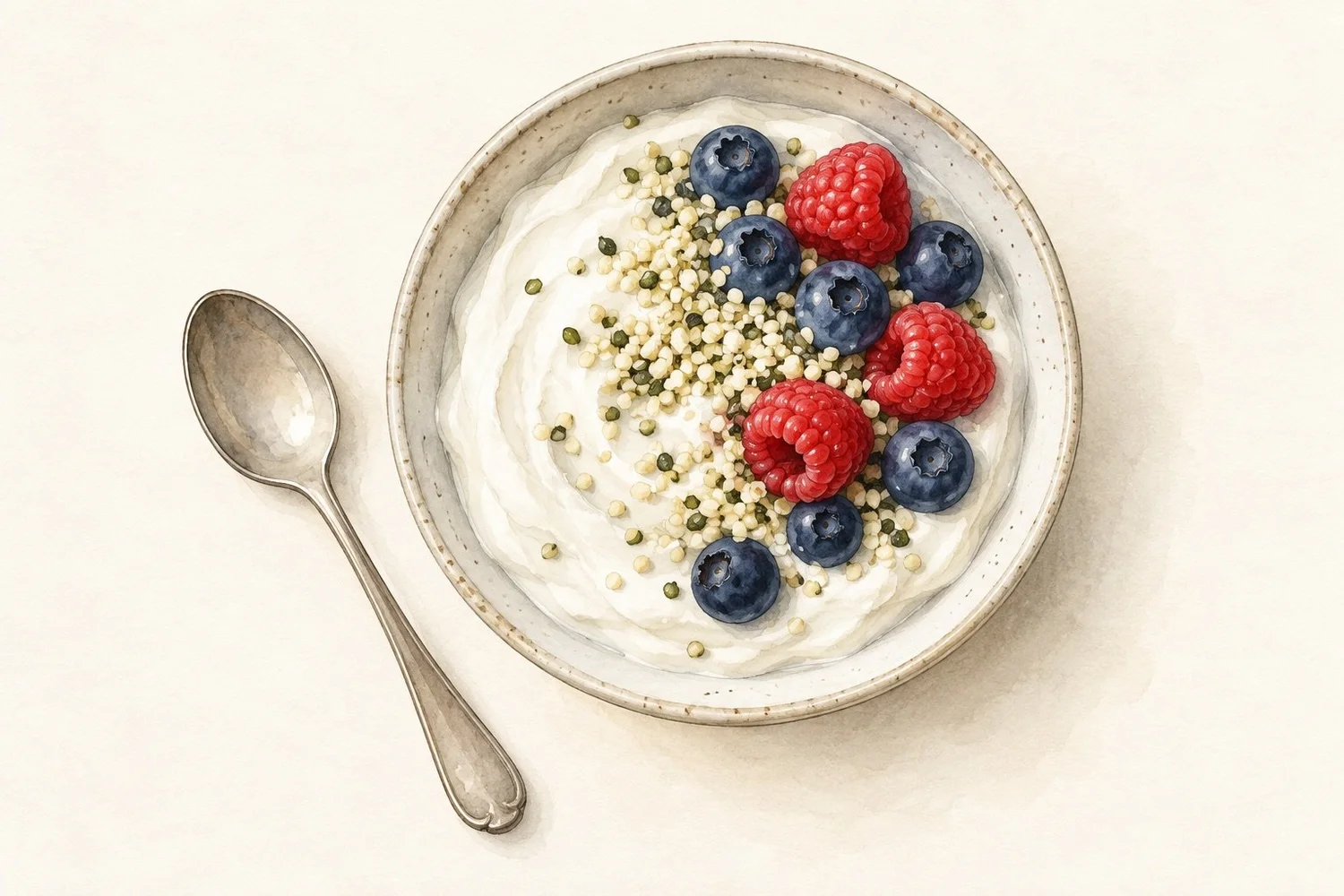
| Greek yogurt bowl | ~25g | 170g plain Greek yogurt + 20g hemp hearts + ¼ cup berries | 2 minutes · Sweet · Keep chilled |
| Seoritae soy shake | ~19g | 30g roasted black soybean powder + 1 cup soy milk | 2 minutes · Vegan · Keep mixed shake chilled |
| Edamame bowl | ~18g | 1 cup cooked, shelled beans (155g) | Package cooking time · Vegan · Chill after cooking |
| Turkey & Swiss roll-ups | ~20g | 3 oz turkey (84g) + 1 Swiss slice (18g) + cucumber | 2 minutes · Savory · Keep chilled |
| Dried pollack & dip | ~20g | 28g ready-to-eat pollack + a small soy-mayo dip | 2 minutes · Dairy-free · Check storage label |
| Korean baked eggs | ~18g | 3 large, fully cooked eggs | 1 minute if already cooked · Keep chilled unless label says otherwise |
| Cottage cheese crispbread | ~23g | ¾ cup cottage cheese (165g) + 2 crispbreads + cucumber | 3 minutes · Crunchy · Keep cheese chilled |
| Egg, cheese & almond plate | ~21g | 2 large eggs + 1 string cheese (28g) + 10 almonds (~10g for the example brand) | 2 minutes if eggs are cooked · Keep chilled |
Protein estimates use the example labels and USDA data linked below. They are rounded, not laboratory measurements of a prepared snack. Times are assembly estimates; cooking, cooling, and shopping are additional where needed.
Choose a snack for work, a vegan day, or no-cook prep
- For work: Pack cottage cheese and crispbread or the egg, cheese, and almond plate. Keep the perishable ingredients cold; pack the crackers separately.
- For a vegan snack: Choose edamame (about 18g) or the black soybean and soy-milk shake (about 19g). Neither contains dairy or eggs.
- For no-cook assembly: Try the Greek yogurt bowl or cottage cheese crispbread. Eggs and edamame are quick only when already cooked; follow the cooking and safety notes below.
- Without protein powder: Seven ideas use foods such as yogurt, eggs, fish, cheese, or edamame. The seoritae shake does use roasted soybean powder; skip that option if you want no powdered ingredients.
- Without a fridge: Do not treat dairy, cooked eggs, turkey, or cooked edamame as shelf-stable. Use an insulated bag with ice packs. For packaged dried pollack, follow the label and pack the dip separately and cold.
Allergen check: these ideas include milk, egg, soy, fish, almonds, and wheat-containing products. Check the actual packages and any substitutions. Dairy-free does not mean vegan.
1. Greek yogurt with hemp hearts and berries
About 25g protein · 2 minutes · No cooking
Spoon 170g plain Greek yogurt into a bowl, add 20g hemp hearts (about 2 tablespoons), and finish with ¼ cup berries. The yogurt supplies most of the protein; the hemp hearts add a nutty flavor and a little crunch.
For the estimate, a 170g serving of Oikos Triple Zero Plain supplies 18g protein and 20g of Manitoba Harvest hemp hearts adds about 7g. Other yogurts can differ substantially, so use your tub’s label.1
Make it yours: Use lactose-free Greek yogurt if that suits you better. For a dairy-free option, check the protein on a soy yogurt label; coconut and almond yogurts are not automatically equivalent. Frozen berries work, too.
2. Korean roasted black soybean shake
About 19g protein · 2 minutes · Vegan
Seoritae (서리태) is a type of black soybean. Its roasted powder gives a shake a toasted, nutty taste. Look for roasted black soybean powder at a Korean grocer or Asian market, and check that it is suitable for mixing directly into drinks.
Shake or blend 30g powder with 1 cup (240mL) unsweetened soy milk. Add ice or a little water to thin it. Weigh the powder: tablespoons vary with the grind and how tightly you fill them.
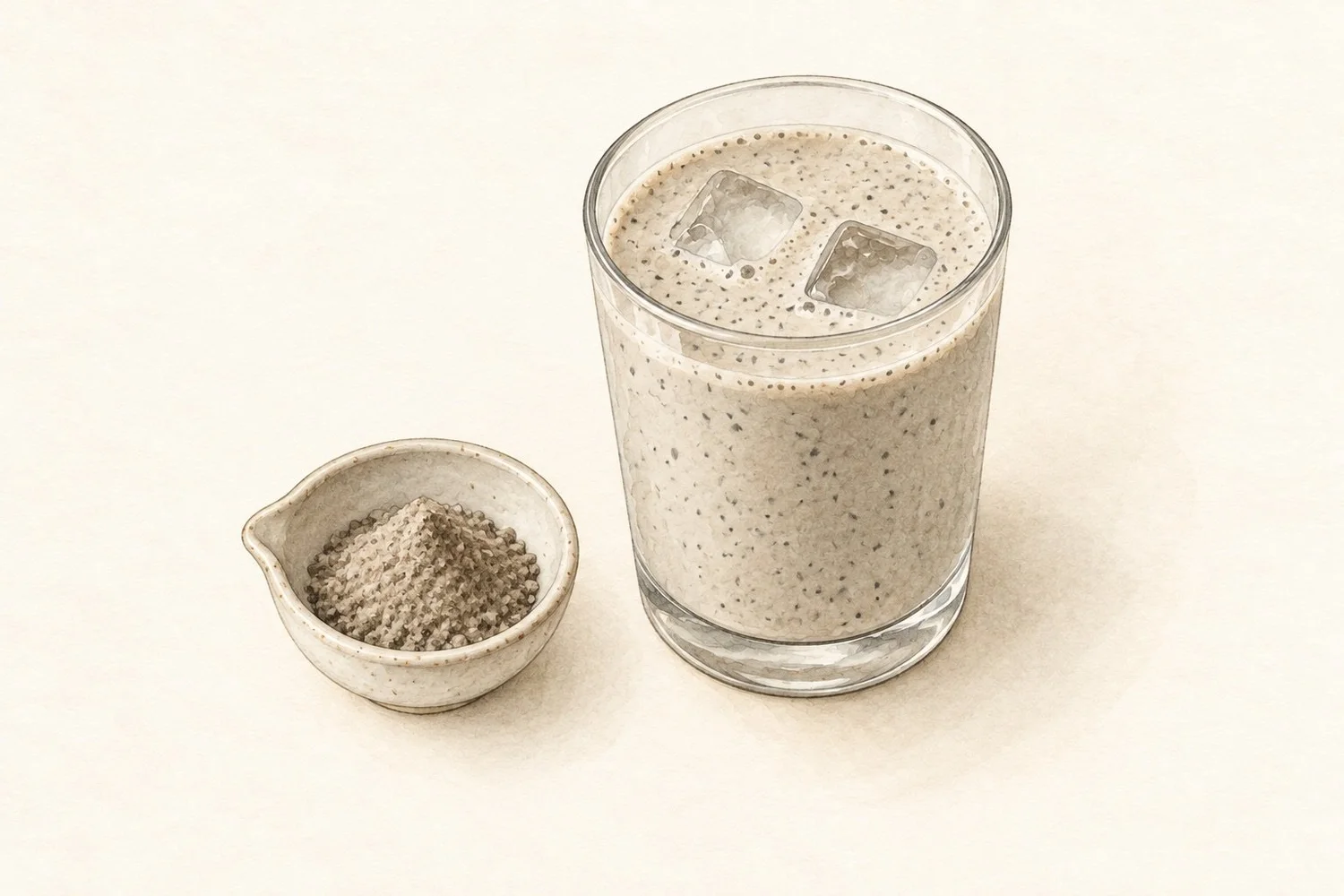
The calculation here uses Samjin powder at 35g protein per 100g and Silk soy milk at 8g per cup: 10.5g + 8g = about 19g. A mixed-grain misugaru product can have a different protein content, so it is not a direct swap.2
Why choose it: It combines two convenient soy foods in a drink with a distinctive roasted flavor. Keep a shaker handy and store the powder according to its label; the Samjin example calls for refrigeration after opening. Keep the mixed shake chilled.
3. A simple bowl of edamame
About 18g protein · Cook according to the package · Vegan
Cook frozen edamame according to its package instructions, then measure 1 cup of the shelled beans (155g). Add lemon juice, black pepper, or a little chili. The serving is the edible beans, not a cup of pods.
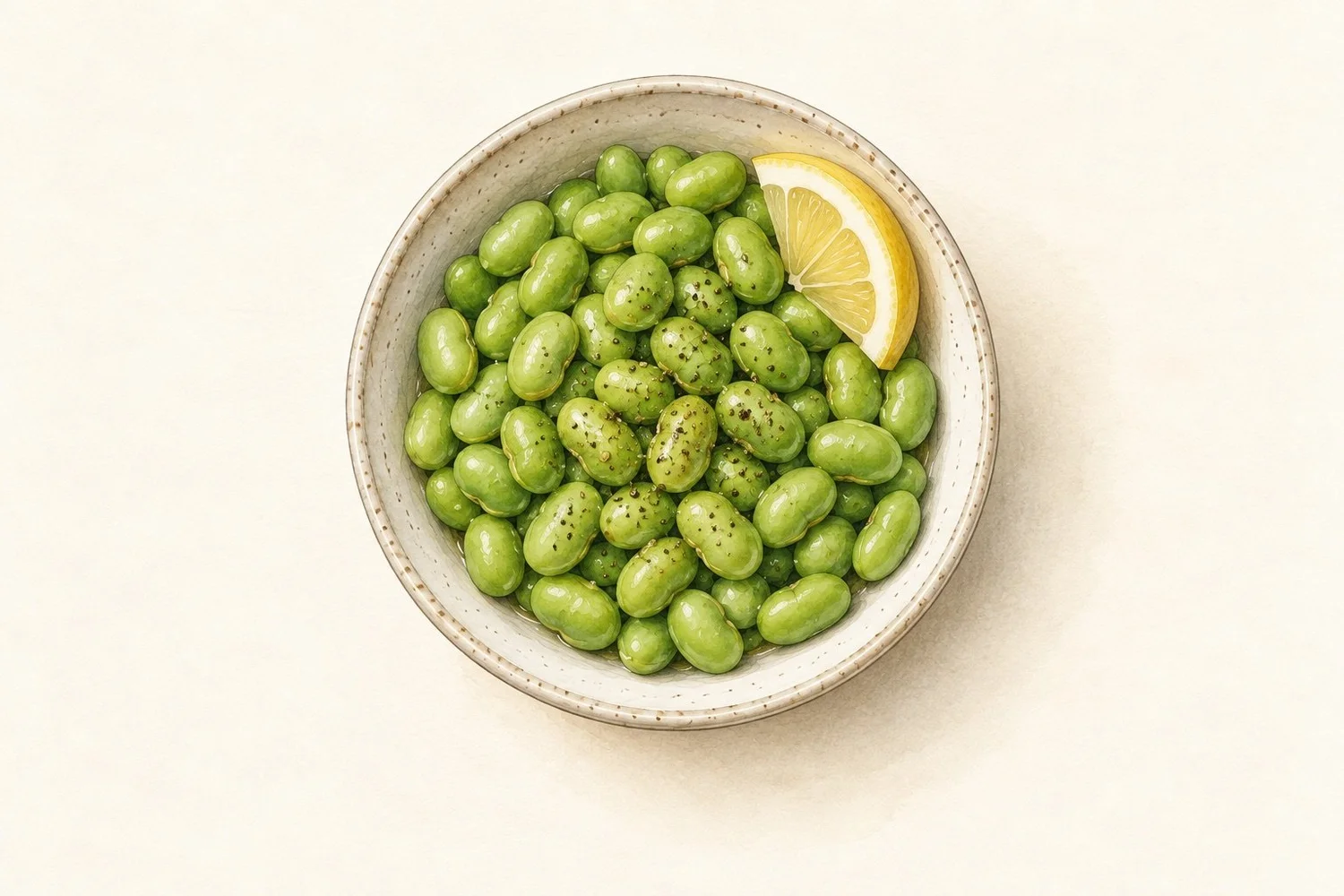
USDA data puts this portion at about 18g protein and 8g fiber.3 If you want a plant-based snack without buying a specialty powder, this is a useful place to start.
Pack it: Cool and refrigerate cooked beans promptly. Pack them cold with an ice pack when a fridge will not be available.
4. Turkey and Swiss roll-ups
About 20g protein · 2 minutes · Quick assembly
Wrap 3 oz (84g) sliced turkey around strips cut from one 18g slice of Swiss cheese. Add cucumber on the side. Splitting one cheese slice among the roll-ups keeps the portion clear.
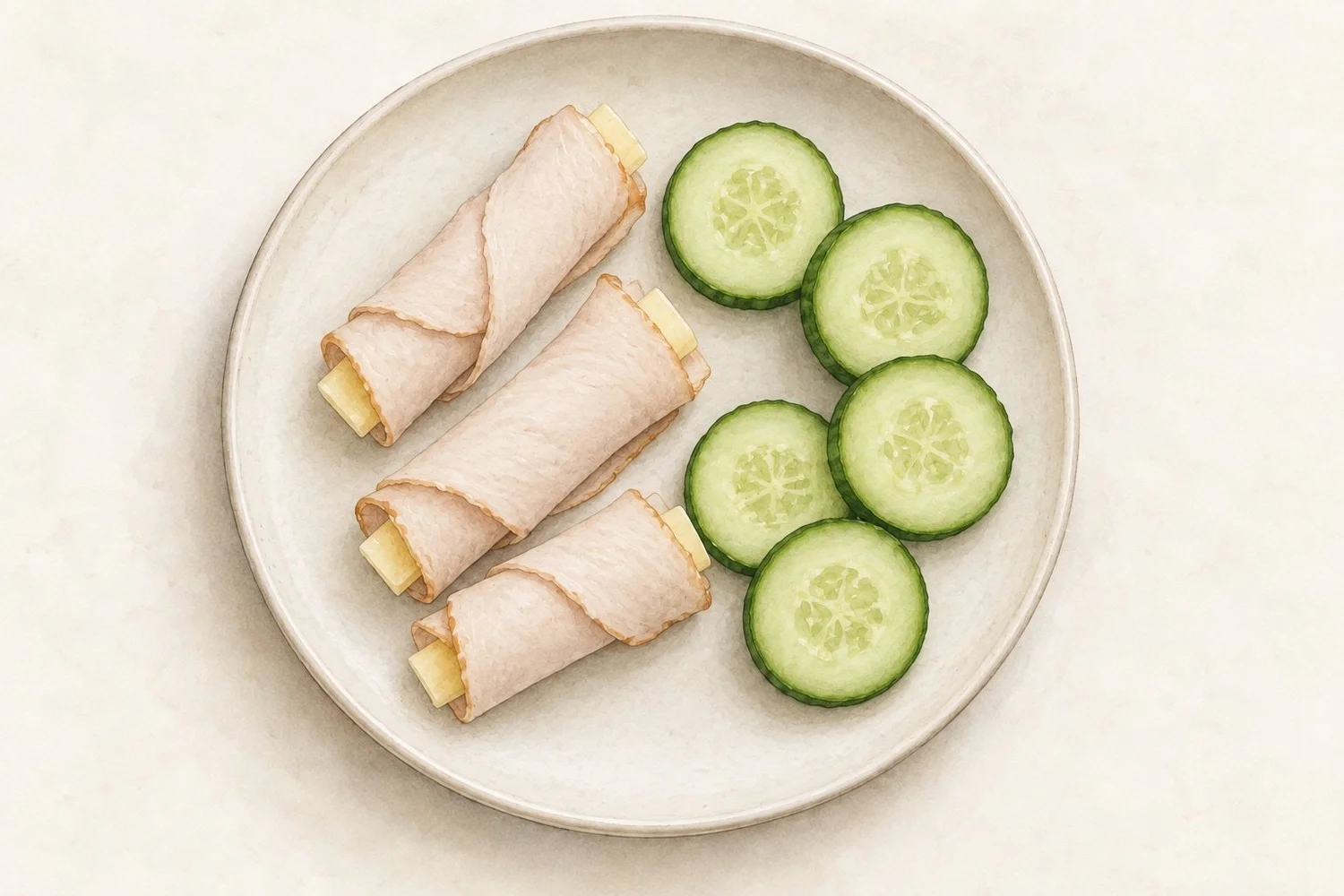
Protein content varies between deli meats. The example labels here provide 15g protein from the turkey and 5g from the cheese.4 Compare sodium as well as protein when choosing a product.
Easy swap: Use leftover cooked turkey or chicken if you have it, adjusting the protein estimate to the portion. Add whole-grain crackers if you need a more substantial snack.
If you are pregnant, 65 or older, or immunocompromised, CDC recommends heating deli meat to 165°F or until steaming hot before eating. Allow extra preparation time.
5. Korean dried pollack with soy-mayo dip
About 20g protein · 2 minutes with a ready-to-eat product · Dairy-free
Dried pollack strips, often sold as hwangtae-chae (황태채), offer a savory alternative to dairy. Choose a package explicitly suitable for snacking or follow its cooking instructions; products intended for soup are not all interchangeable with ready-to-eat snack packs.
Portion 28g of strips. For a dip, mix 1 teaspoon mayonnaise with ½ teaspoon soy sauce and add two thin green-chili slices if you like heat. Sempio’s shredded pollack label lists 20g protein per 28g serving, which is the basis of this estimate.5
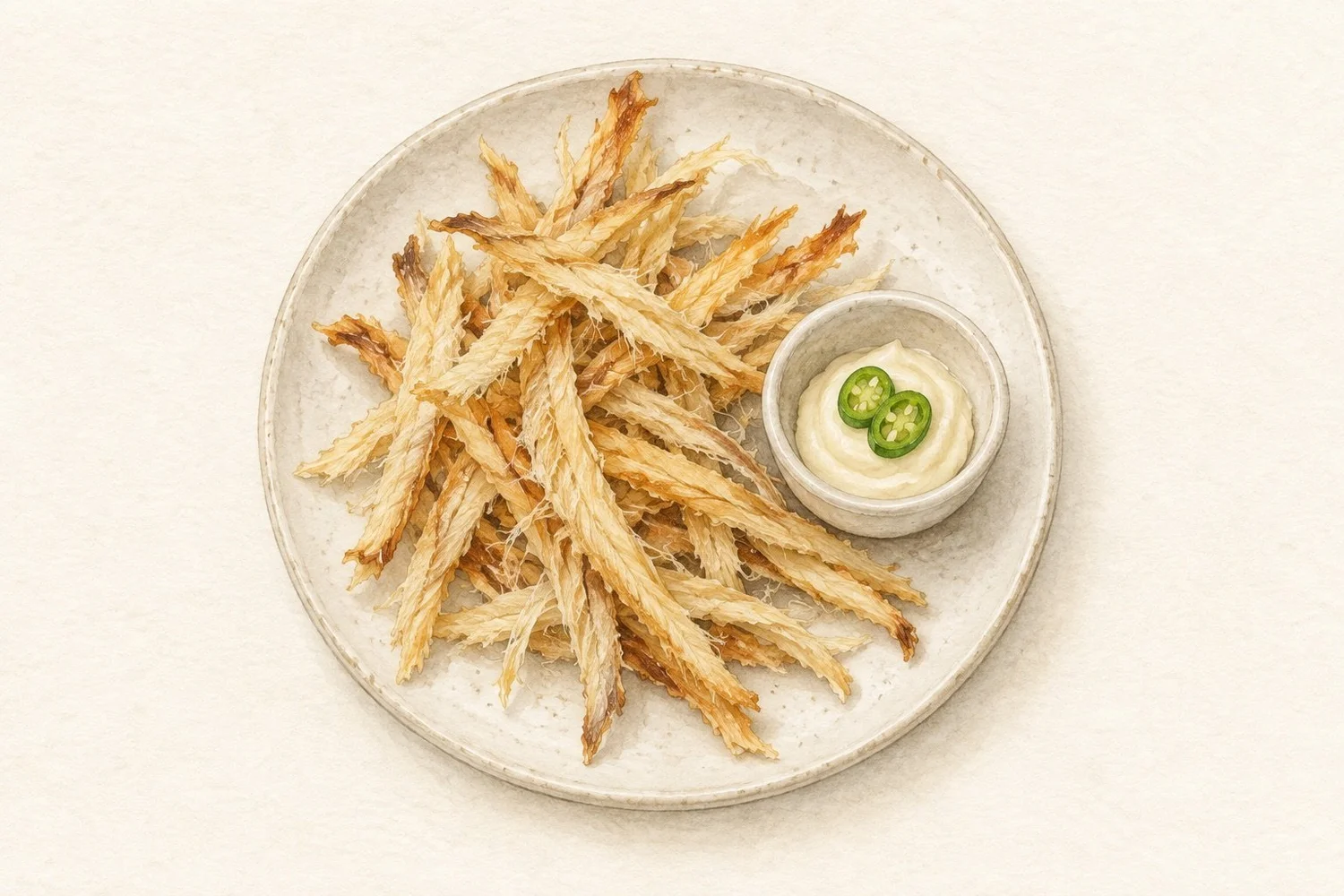
Label check: Seasonings, sodium, and storage requirements vary. Compare the labels on plain and seasoned varieties. This snack contains fish; the dip can also contain egg, soy, and wheat.
6. Korean baked eggs (gu-un gyeran)
About 18g protein · 1 minute if already cooked · Dairy-free
Gu-un gyeran (구운계란) are Korean baked eggs with tan-colored whites and a firmer, pleasantly chewy texture. Choose three large, fully cooked eggs for roughly 18g protein. Smaller packaged eggs can supply less; use the label when available.6
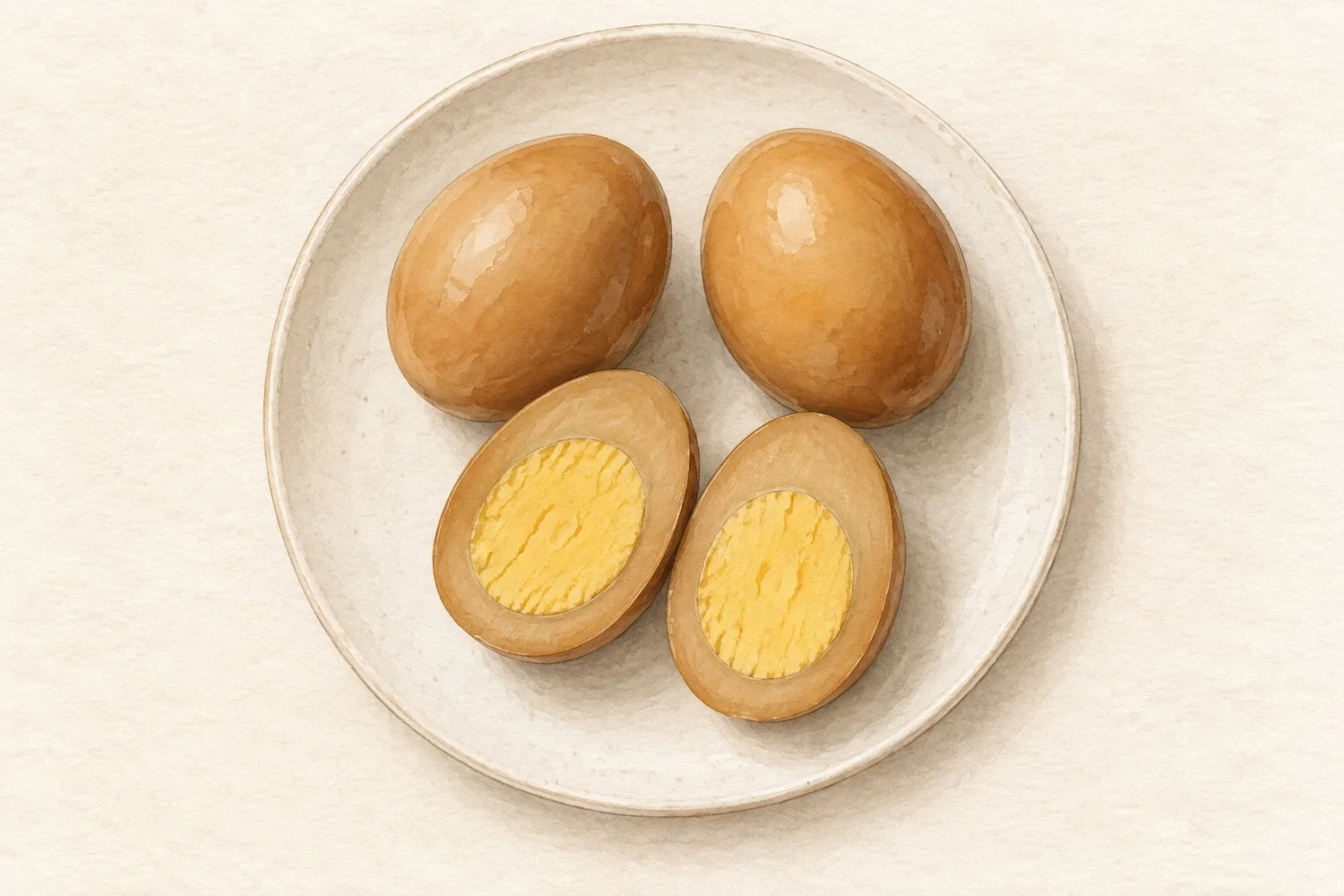
Keep it practical: Buy prepared eggs and follow their storage directions, or use a tested recipe suited to your appliance. Ordinary hard-boiled eggs are an easy substitute. Batch cooking takes extra time; the one-minute figure is only for serving cooked eggs.
7. Cottage cheese and cucumber crispbread
About 23g protein · 3 minutes · No cooking
Measure ¾ cup (165g) cottage cheese and serve it with two whole-grain crispbreads, sliced cucumber, and black pepper. Spoon some onto the crackers and eat the rest alongside if the topping becomes unwieldy.
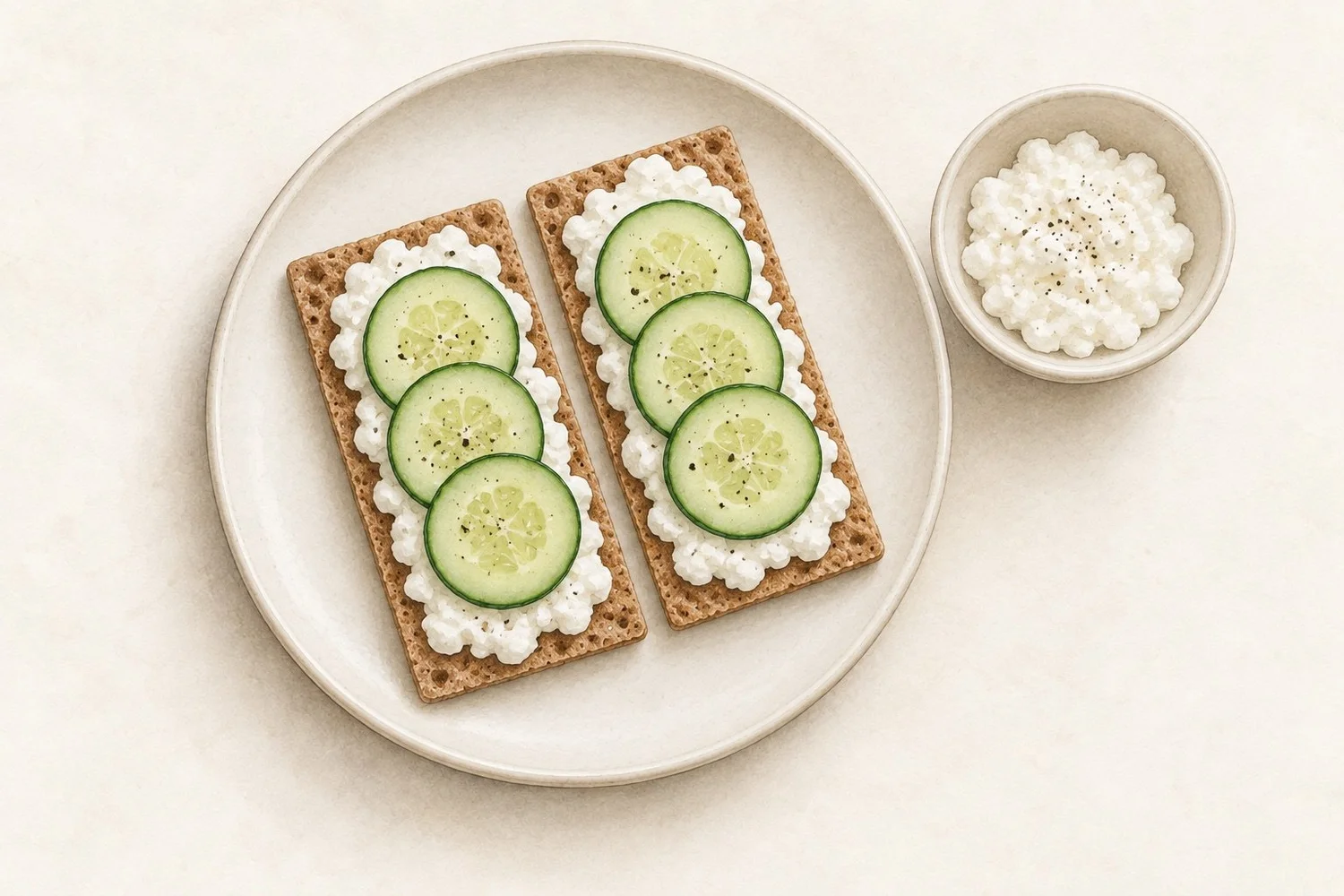
The estimate uses Good Culture 2% cottage cheese, with 14g protein per 110g, plus two Wasa Whole Grain crispbreads at 1g each: 21g + 2g = about 23g.7
Prefer something sweet? Eat the same cottage-cheese portion with berries and cinnamon. It will still supply about 21g protein before toppings. Pack crispbread separately to preserve the crunch.
8. Eggs, string cheese, and almonds
About 21g protein · 2 minutes if eggs are cooked · Pack cold
Combine two large hard-boiled eggs, one 28g mozzarella string cheese, and 10 almonds (about 10g for the example brand; sizes vary). That is roughly 12g from the eggs, 7g from the cheese, and about 2g from the almonds. Check your cheese label, since sticks differ.6, 8
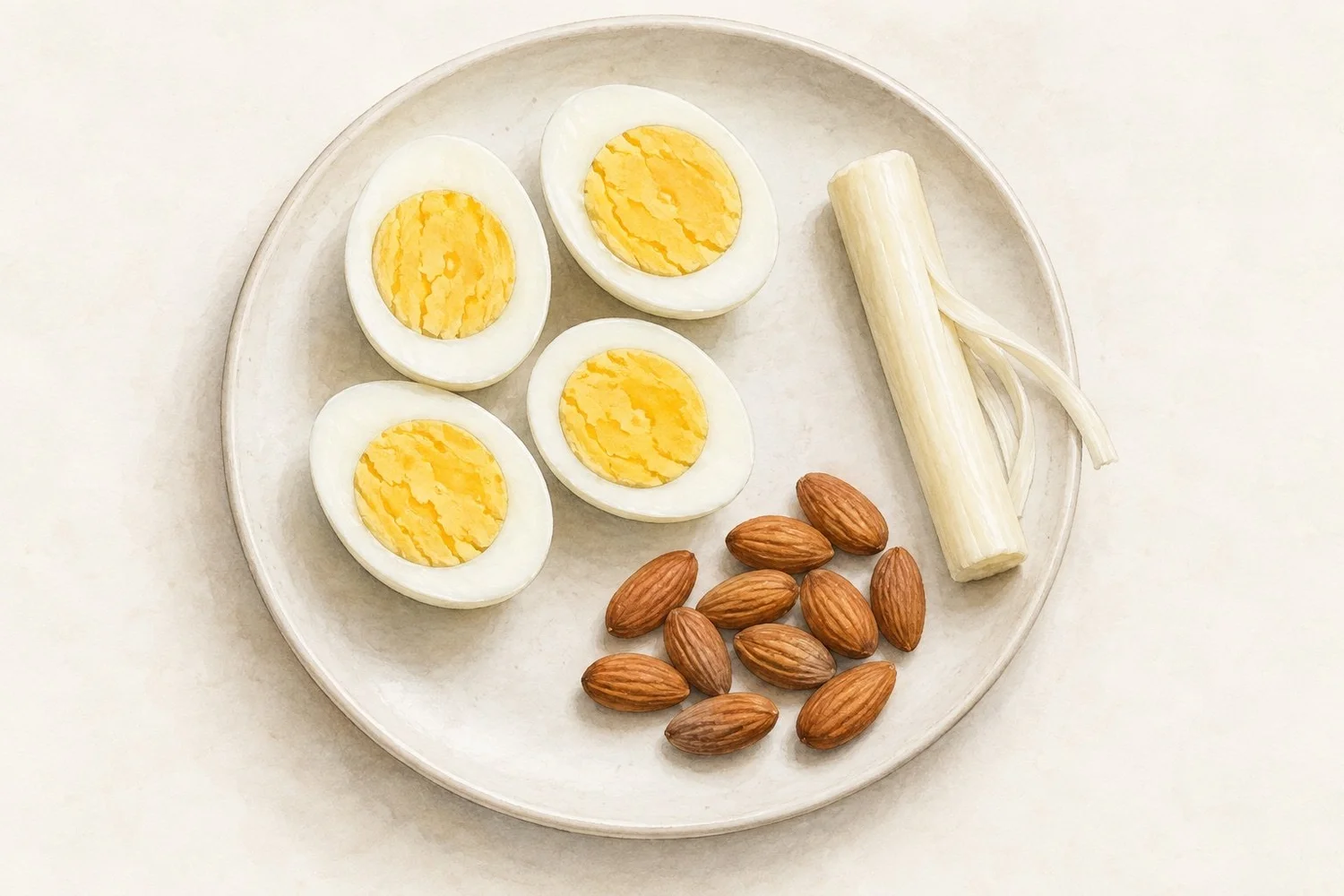
Build around your appetite: Add fruit or vegetables if you want them. If this feels closer to a small meal than a snack, choose a smaller portion and count the protein you actually eat.
How much protein do women over 40 need?
Turning 40 does not create one protein requirement for everyone. Body size, activity, total food intake, and health all matter. The 2025–2030 Dietary Guidelines for Americans give a daily protein target of 1.2–1.6g per kilogram of body weight, adjusted for individual caloric requirements. For a 150-pound woman (about 68kg), that is approximately 82–109g per day.9 This is general guidance, not an individual prescription.
To plan a snack, look at what your meals already provide. If you are roughly 20g short of a daily target appropriate for you, one of the portions above may fill that gap. If your meals already meet your needs, you do not need an extra snack just because you are over 40.
Think of a snack as one useful contribution to the day. For example, three meals with 25g each plus a 20g snack totals 95g. That is an illustration of the arithmetic, not a meal prescription. Protein also works alongside regular strength training when your goal is to maintain strength. It cannot replace the training stimulus.10
If you have kidney disease or another condition that affects dietary protein, use a target agreed with your clinician or dietitian.
Make two options easy to reach
You do not need to prep all eight. Pick one sweet option and one savory option for the next few days. Keep the main ingredients visible in the fridge, portion dry additions separately, and assemble when you are ready to eat.
- At home: Keep yogurt, hemp hearts, and berries together.
- For work: Pack cooked eggs or cottage cheese with an ice pack, and keep crackers separate.
- For a plant-based choice: Keep frozen shelled edamame on hand and allow time to cook it.
Food safety matters when batch-prepping. Refrigerate perishable snacks at 40°F (4°C) or below. FDA guidance says to use hard-cooked eggs within one week and not leave cooked eggs or egg dishes out for more than two hours, or one hour above 90°F (32°C). Follow a shorter package date if one applies.11
For the meals around your snacks, browse our high-protein breakfast ideas and lunch and dinner ideas.
Common questions about protein snacks
Which snacks provide about 20 grams of protein?
The turkey and Swiss portion provides about 20g; the egg, string cheese, and almond plate provides about 21g; and cottage cheese with two crispbreads provides about 23g. These totals apply to the full portions in the table. A single egg or a small handful of almonds is not equivalent to those combinations.
What high-protein snacks can I bring to work?
Try cottage cheese with separately packed crispbread, a yogurt bowl, or cooked eggs with string cheese. Refrigerate on arrival or carry them in an insulated bag with ice packs. For these perishable foods, keep them at 40°F (4°C) or below and follow the two-hour limit, shortened to one hour above 90°F (32°C).12
Is 20g of protein enough for a snack?
Yes—20g can be a useful contribution to your daily intake. A snack does not need to meet a universal meal-size threshold. Whether you need more, less, or no snack depends on your appetite, meals, and daily target.
Which options are dairy-free or vegan?
The edamame bowl and seoritae shake made with soy milk are vegan. Plain eggs and pollack can be dairy-free, but pollack is fish, and mayonnaise typically contains egg. Check seasonings and packaging for allergens.
Will a protein snack help me lose weight?
It may fit your plan, but protein does not make a snack calorie-free. Replacing a less satisfying snack can be useful; adding food on top of an already sufficient intake can add energy you do not need. No snack guarantees weight loss or prevents hunger later.
Do I need protein bars or powders?
No. Yogurt, eggs, cottage cheese, and edamame can contribute protein without a supplement. A bar or shake can still be convenient. Choose based on the serving size, ingredients, taste, and how it fits your day.
Can these snacks treat menopause symptoms?
These are food ideas, not treatments for hot flashes, hormone changes, or persistent fatigue. They can help you assemble a nourishing day of eating, but they do not replace assessment or treatment of symptoms.
How the protein estimates were checked
We used the portions above, published manufacturer nutrition information, and USDA food-composition data. Labels can change and different brands are not nutritionally identical. Small fruit, vegetable, seasoning, and dip contributions are not counted. Brand names identify the calculation examples; they are not endorsements. Sources reviewed September 28, 2026. Some nutrition values were cross-checked against official indexed records when the live nutrition panel was not accessible.
- Yogurt bowl: Oikos Triple Zero Plain, 18g protein/170g; Manitoba Harvest Hemp Hearts, 10g/30g. Calculation: 18 + (20 ÷ 30 × 10) = 24.7g.
- Seoritae shake: Samjin roasted black soybean powder, 35g/100g; Silk Unsweet Soymilk, 8g/cup. Calculation: (30 × 0.35) + 8 = 18.5g.
- Edamame: USDA FoodData Central, prepared frozen edamame (NDB 11212), 11.91g/100g; 155g cooked edible beans = 18.46g. Fiber: approximately 8.1g. Also available in the USDA source PDF, page 741.
- Roll-ups: Hillshire Farm Lower Sodium Oven Roasted Turkey Breast, 10g/56g; Sargento Sliced Swiss, 5g/18g slice. Calculation: (84 ÷ 56 × 10) + 5 = 20g.
- Pollack: Sempio Dried Pollack, Shredded, 20g/28g. This label estimate should not be generalized to every seasoned or roasted snack pack.
- Eggs: Eggland’s Best Classic Eggs nutrition information, approximately 6g protein/large egg. Three eggs ≈18g; two ≈12g. Packaged baked-egg sizes vary.
- Crispbread: Good Culture Low-Fat Classic, 14g/110g; Wasa Whole Grain, 1g/slice. Calculation: (165 ÷ 110 × 14) + 2 = 23g.
- Snack plate additions: Sargento Natural String Cheese, 7g/28g; Blue Diamond Whole Natural Almonds nutrition information, about 6g/28g. The example label lists about 28 nuts per 28g. Ten almonds are therefore approximately 10g for that product: 12 + 7 + (10 ÷ 28 × 6) = 21.1g, rounded to 21g. Almond size varies; weighing your portion is more precise.
- Daily target: Dietary Guidelines for Americans, 2025–2030, protein guidance. The range is general and does not establish a special snack requirement for women over 40.
- Protein and training: Morton et al., British Journal of Sports Medicine (2018), systematic review and meta-analysis of protein supplementation with resistance training. It does not establish a universal target for all midlife women.
- Egg storage: FDA: What You Need to Know About Egg Safety.
- Perishable food storage: FDA: Are You Storing Food Safely?, refrigeration temperature and time limits.
This article is general nutrition education, not individualized medical advice.
