
Track Your Protein in Seconds, not Food Logs
Stop wasting 'healthy' meals. One photo ensures your body gets the quality protein to stay strong and youthful.
Free Early Access. No Credit Card required.
Not to lose weight
〰️
But to be stronger
〰️
Not to lose weight 〰️ But to be stronger 〰️
Stop Losing Muscle on a Healthy Diet
If your “clean” meal is missing amino acid, you're losing muscle!
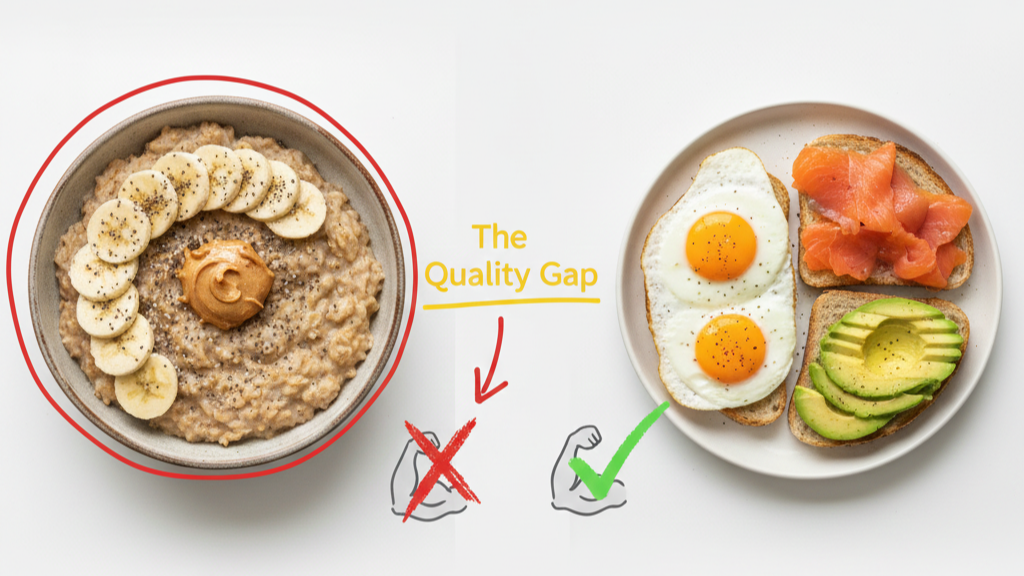
30g of protein ≠ 30g of muscle
Not All Proteins Are Equal
🫶
You Deserve High-Quality Protein
🫶
Not All Proteins Are Equal 🫶 You Deserve High-Quality Protein 🫶
Protein Intake Calculator
Are you getting enough protein every day?
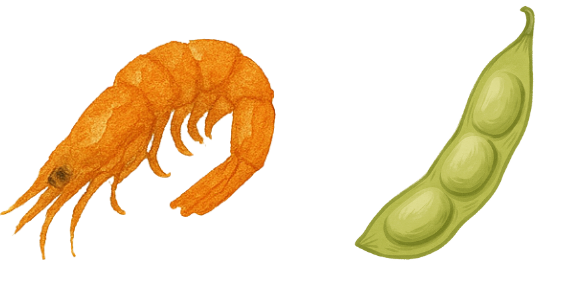
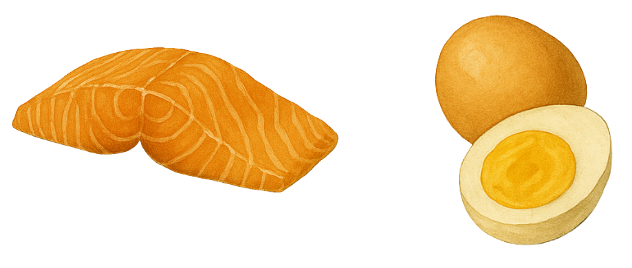
Find out how much protein your body truly needs, and which foods give you 20 grams of real protein 💪

Protein Changes EVERYTHING
Especially for Women
Metabolism
Protein helps build lean muscle — your body’s metabolic engine. It keeps blood sugar stable and energy steady all day, without caffeine crashes.
Strength
Muscle built from protein supports your bones, joints, and metabolism — helping you move, lift, and age with confidence.
Brain
Protein fuels your brain’s “feel-good” messengers like serotonin and dopamine — improving focus, mood, and calm.
Balance
Protein supports insulin sensitivity and hormone rhythm — helping you feel steady, satisfied, and in control of cravings and mood.
Protein fuels your

Hormones

Mood

Metabolism
Everything diet culture never told you.
Frequently Asked Questions
-
Aim for roughly 1 gram of protein per pound of body weight.
The Details: While general baselines are lower, most adults require 1.6–2.2g per kg to manage weight and age well. For active women and those over 40, hitting the higher end of this range is critical to support metabolism and keep bones and muscles strong!
“Want an exact number? Use our Protein Intake Calculator to get a personalized daily target in seconds.”
-
After age 40, hormonal shifts during perimenopause and menopause trigger anabolic resistance, making the body less efficient at processing protein. To overcome this, women need higher protein intake to stimulate muscle repair and support bone maintenance.
Key benefits of higher protein in midlife:
Preserves Lean Muscle: Counters age-related muscle loss to stay strong.
Supports Bone Density: Helps reduce the risk of osteoporosis, which accelerates after menopause.
Boosts Metabolism: Maintains metabolic rate and stabilizes blood sugar.
Improves Satiety: Helps manage weight by keeping you fuller for longer.
Action: Read our Essential Guide for Women Over 40 for the science, or use the Protein Intake Calculator to find your target.
-
Yes, but it requires a more strategic approach. Plant proteins are generally less "bioavailable" than animal sources, meaning the body absorbs them less efficiently. Additionally, many plant sources are "incomplete," lacking one or more essential amino acids—specifically leucine, which is the primary trigger for muscle protein synthesis.
To hit your goals on a plant-based diet, especially after age 40, aim for a variety of protein-dense foods like lentils, chickpeas, quinoa, and soy. To overcome the bioavailability gap, Dr. Stacy Sims recommends that plant-based athletes aim for a slightly higher total protein target and focus on "protein pairing" or leucine-rich supplements to ensure muscle maintenance.
Check our Vegan Protein Cheatsheet for a curated list of high-yield, plant-based sources.
Our Protein Intake Calculator can help you adjust your daily targets based on your dietary preferences.
-
While many look for protein to aid in weight loss, the real goal should be improving body composition—losing fat while maintaining the lean muscle that keeps your metabolism strong.
To achieve this, prioritize bioavailable proteins that provide essential amino acids like leucine to signal muscle repair. High-quality sources include Greek yogurt, eggs, lean meats, and soy. These are the raw materials that allow you to stay strong and maintain internal balance as your body changes. By focusing on strength and hitting your protein targets, weight management becomes a natural byproduct of a healthy metabolism.
Check our Top Protein Cheatsheet for a quick list of high-yield sources.
-
Most apps focus solely on calories and the quantity of protein, treating 20g of collagen the same as 20g of whey. This is a mistake—especially for women over 40.
Just Protein shifts the focus from "how much" to "how effective."
Beyond Calories: We prioritize the quality of your protein. The app analyzes amino acid profiles and leucine content to ensure your body actually has the raw materials needed to trigger muscle repair and support bone density.
Quality over Quantity: It is possible to hit your daily gram target but still fail to stimulate muscle growth if the protein quality is low. Just Protein identifies these gaps, showing you if your meal is "complete."
The Science of Timing: While other apps just look at the daily total, we track distribution. Spiking your protein intake at the right intervals is the key to overcoming "anabolic resistance" and keeping your metabolism high.
Explore our protein cheat sheets:
→ download Top Protein Cheat Sheet
→ download Vegan Protein Cheat Sheet -
For many, 25g is the "magic number" they’ve been told to hit. However, if you are a woman over 40, 25g may not be enough to effectively trigger muscle growth.
As we age, our bodies develop anabolic resistance, meaning we require a higher concentration of the amino acid leucine (about 2.5g–3g) in a single sitting to "turn on" the machinery that builds and repairs muscle. While 25g of high-quality whey might hit that mark, 25g of mixed or plant-based protein often falls short.
Recent research suggests that active women in perimenopause and menopause aim for 30–40 grams of protein per meal. This higher intake helps clear the metabolic threshold needed to maintain lean muscle, support bone density, and sustain a healthy metabolism.
→ Download our Top Protein Cheat Sheet (for vegan download Vegan Cheatsheet) to see which foods actually deliver the protein quality you need.
→ Try our Protein Intake Calculator to see how much protein you need .